Understanding Neurodiversity: Supporting Different Minds
When your mind works differently from others, it’s not just a small difference. It can show up in how you focus, communicate, learn, or move through everyday environments that aren’t always supportive. These challenges can affect your confidence, your relationships, and how you show up at work or school.
That’s why understanding neurodiversity matters, it helps make sense of your experience and shows what can actually help.
After years of working alongside neurodivergent clients and families, I’ve learned what truly supports different minds. In this blog, we’ll cover what neurodiversity means, the types you may hear about, and the best ways to foster understanding and support.
Defining Neurodiversity
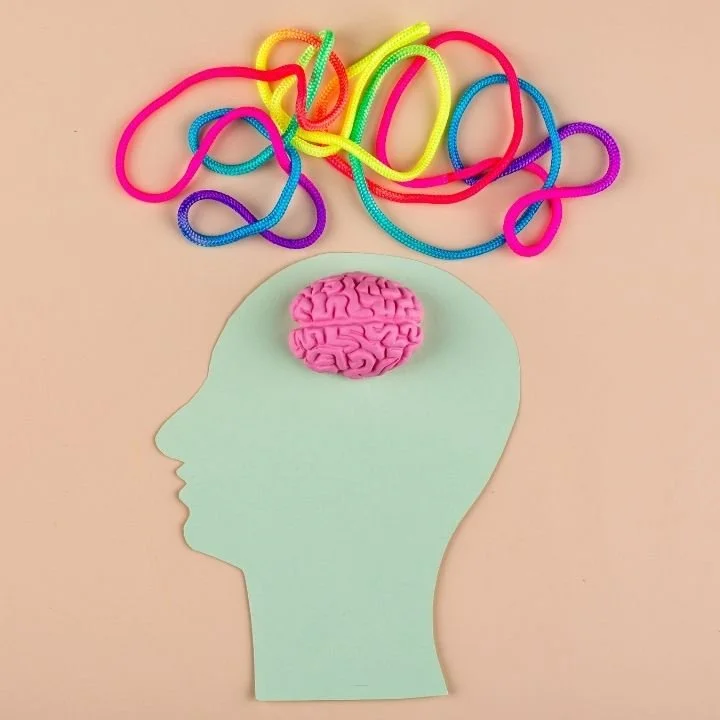
Neurodiversity is the idea that every brain works differently, and these differences are part of normal human variation. Instead of viewing conditions like autism, ADHD, dyslexia, or dyspraxia as “problems to fix,” neurodiversity reframes them as natural ways of thinking and processing information. The NCBI explains that the neurodiversity paradigm views neurological differences as part of human diversity, not deficits.
Understanding neurodiversity means recognizing that no two brains function the same, and these differences can bring unique strengths, insights, and abilities.
The term “neurodiversity” was introduced in the late 1990s by neurologist Judy Singer. Her work helped spark a movement focused on acceptance, inclusion, and appreciation of cognitive differences.
This perspective shifts the idea of what it means to be “normal” and emphasizes that support should help neurodivergent people live fully as themselves, not push them to hide, change, or “be fixed.”
Why Understanding Neurodiversity Matters

Acknowledging neurodiversity is essential because it helps break down stigma and the unintentional barriers society creates. Research shows that 15–20% of people worldwide are neurodivergent, meaning a large portion of the population processes information, communicates, or learns in different ways.
Even with their strengths and talents, many neurodivergent individuals still experience discrimination, a lack of support, or exclusion in schools, workplaces, and healthcare systems.
When we recognize different cognitive styles, we open the door to more innovation, creativity, and problem-solving. Inclusive environments, built with neurodiversity in mind, give people fair access to resources, help them reach their potential, and allow everyone to contribute in meaningful ways.
The Different Types of Neurodiversity

Some of the conditions many people refer to when talking about neurodiversity include:
Autism Spectrum Disorder (ASD)
Involves differences in social communication, sensory processing, and patterns of repetitive behaviors or focused interests. Many autistic individuals have strong attention to detail, deep knowledge in specific areas, and unique problem-solving approaches.
Attention Deficit Hyperactivity Disorder (ADHD)
Includes challenges with focus, impulse control, and hyperactivity. People with ADHD often bring creativity, high energy, and strong out-of-the-box thinking, making them valuable contributors in many settings.
Dyslexia
A learning difference that affects reading, writing, and spelling, even though intelligence is fully intact. Many individuals with dyslexia excel in spatial reasoning, visual thinking, and creative problem-solving.
Dyspraxia
Influences motor skills, coordination, and sometimes planning or organization of physical movements. People with dyspraxia (also known as Developmental Coordination Disorder) often show resilience, strong verbal skills, and creative thinking.
Dyscalculia
Makes understanding numbers, math concepts, and numerical patterns more challenging. Individuals with dyscalculia may excel in verbal reasoning, creativity, or big-picture thinking.
How Neurodiversity Influences Support Needs

Different types of neurodiversity often require different kinds of support. Tailoring the approach helps each person feel understood and function at their best.
Autism Spectrum: Sensory accommodations, predictable routines, and clear communication can reduce overwhelm and improve comfort.
ADHD: Support with executive functioning, like planning tools, reminders, and structured routines, helps with focus and follow-through.
Dyslexia: Specialized literacy strategies, audio-based learning, and visual aids make reading and writing more accessible.
Dyspraxia: Physical therapy, coordination exercises, and step-by-step task support can be helpful in daily activities.
Gaining a deeper understanding of these needs becomes much more manageable with support from trained professionals, including psychologists, therapists, and educational specialists.
Their insight helps families, educators, and workplaces create support systems that align with each person’s cognitive strengths and challenges.
Strengths Within Neurodiversity

Neurodiversity isn’t only about challenges, there are also meaningful strengths. Many neurodivergent people show powerful abilities in areas like pattern recognition, creativity, problem-solving, and deep concentration. These strengths often shine in fields such as technology, art, engineering, science, and entrepreneurship.
Examples of Cognitive Strengths:
Pattern Recognition: Helps with solving complex problems and creative insight.
Hyperfocus: Allows sustained concentration on tasks that are interesting or meaningful.
Technical Precision: Supports strong accuracy and attention to detail, especially in technical fields.
These strengths show why embracing neurodiversity benefits classrooms, workplaces, and communities as a whole.
Education and Neurodiversity

Inclusive education that truly understands neurodiversity means using teaching approaches that work for different kinds of learners, not just one style. One of the best frameworks is Universal Design for Learning (UDL), which gives students multiple ways to engage, learn, and show what they know.
When schools offer structured support, sensory accommodations, and a strengths-based mindset, neurodivergent students have a much better chance of thriving both academically and socially.
Recognizing the different types of neurodiversity in a classroom helps teachers design flexible, adaptive strategies that honor each student’s learning needs.
Workplace Inclusion for Neurodivergent Employees

Building a neuroinclusive workplace benefits both employees and the organization. When leaders understand neurodiversity, they can create supportive practices like flexible schedules, sensory-friendly spaces, clear communication, and interview processes that don’t rely solely on traditional social cues.
Manager training is essential, appreciating neurodivergent strengths and reducing pressure to mask natural traits can dramatically improve morale and retention.
Companies that embed these values into their policies not only support their teams more effectively but also attract diverse talent and fuel creativity and innovation.
Embracing Neurodiversity as a Strength
Embracing understanding neurodiversity means seeing different ways of thinking and learning as natural and valuable. When support is tailored to each person’s strengths, everyone has a better chance to grow, feel understood, and thrive without pressure to mask or conform.
If you’d like guidance for yourself, a loved one, or your organization, contact us today to get support that truly respects how different minds work.
Frequently Asked Questions
What does understanding Neurodiversity mean?
Understanding neurodiversity means recognizing that different ways of thinking, learning, and processing information are natural variations in the human brain. It shifts the view from “disorders” to differences, emphasizing strengths, communication preferences, and supportive environments instead of trying to fix or cure people.
What are the types of Neurodiversity?
Types of neurodiversity include autism, ADHD, dyslexia, dyspraxia, and dyscalculia. Each represents unique neurological characteristics that affect cognition, behavior, or learning. Many individuals may have traits of more than one type, highlighting the complexity and overlap within neurodivergent profiles.
How can I tell if I am Neurodivergent?
Recognizing neurodivergence often involves noticing consistent differences in learning, focus, sensory processing, or social interaction. Many seek formal diagnosis through healthcare professionals, but self-awareness of traits such as hyperfocus, sensory sensitivities, or organizational challenges can be a first step to understanding.
Is Neurodiversity considered a disability?
Neurodiversity is not inherently a disability; it reflects natural cognitive diversity. However, many neurodivergent people identify as disabled due to societal barriers and lack of accommodations. The social model of disability emphasizes that environments and attitudes determine disability more than individual neurological differences.
Can someone have more than one type of Neurodivergence?
Yes. It is common for people to experience multiple types of neurodivergence simultaneously. For example, up to 70% of autistic individuals also have ADHD. Recognizing overlapping conditions helps guide more comprehensive support tailored to a person's unique profile.